Top 10 Must-Try Condiments from Around the World
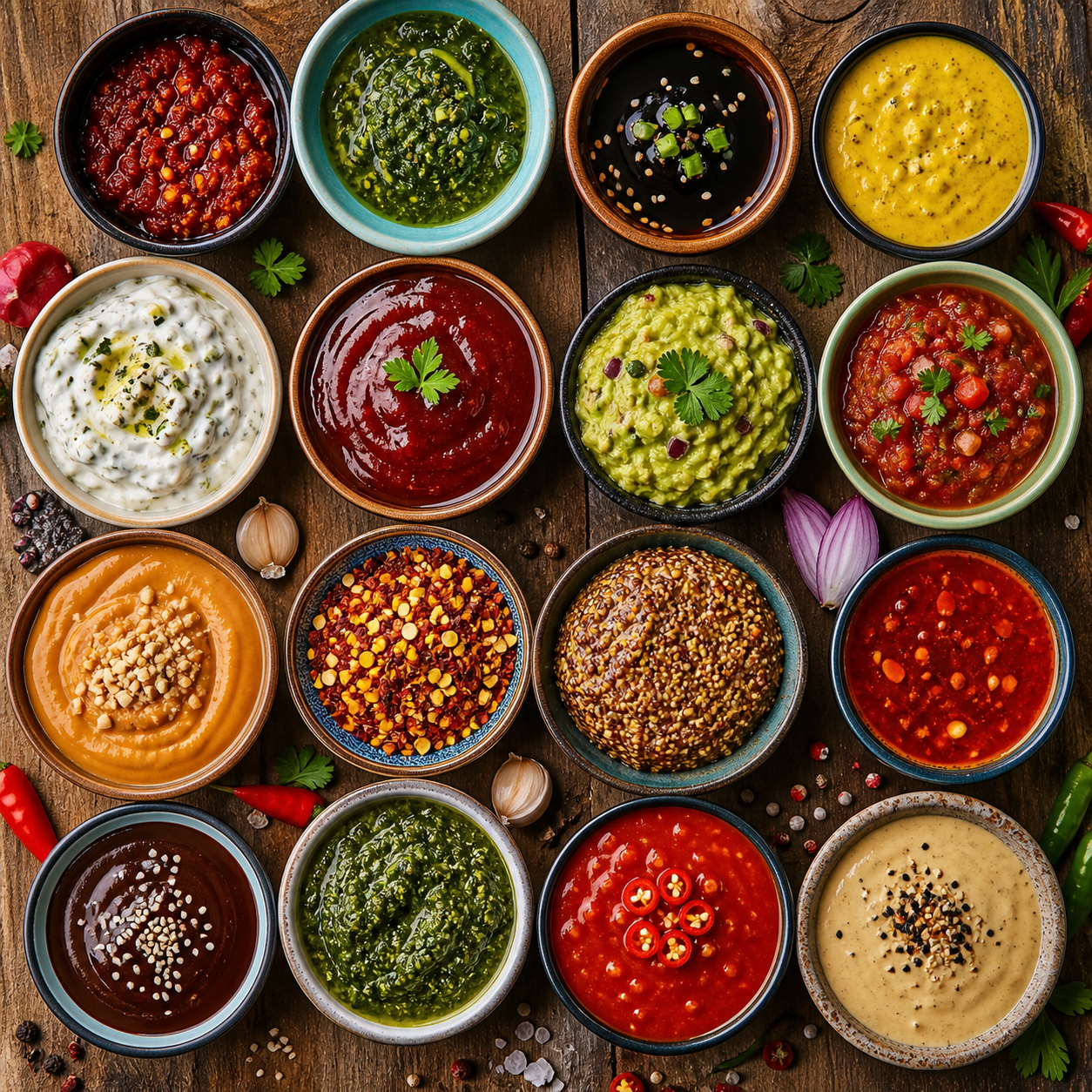
Why Global Condiments Deserve a Spot in Your Kitchen
Global condiments are the fastest way to transform an ordinary meal into something with genuine depth and character. A spoonful of the right sauce can carry centuries of culinary tradition — fermentation techniques passed down through generations, spice combinations refined over centuries, and flavor profiles that no single seasoning can replicate.
Most home cooks rely on the same three or four pantry staples. That's not a criticism — it's just how habit works. But the world's great cuisines are largely defined not by their main ingredients, but by the condiments and finishing sauces that surround them. Korean barbecue without gochujang is just grilled meat. Argentine steak without chimichurri misses the point entirely.
The good news is that exploring global condiments doesn't require a culinary degree or a specialty grocery store trip every week. Many of these sauces are now widely available, and once you understand what each one brings to the table, you'll find yourself reaching for them constantly.
Asia's Bold and Complex Flavor Makers
Asian condiments tend to layer flavors in ways that Western pantry staples rarely do — combining heat, umami, fermentation, and brightness in a single jar.
Gochujang (Korea)
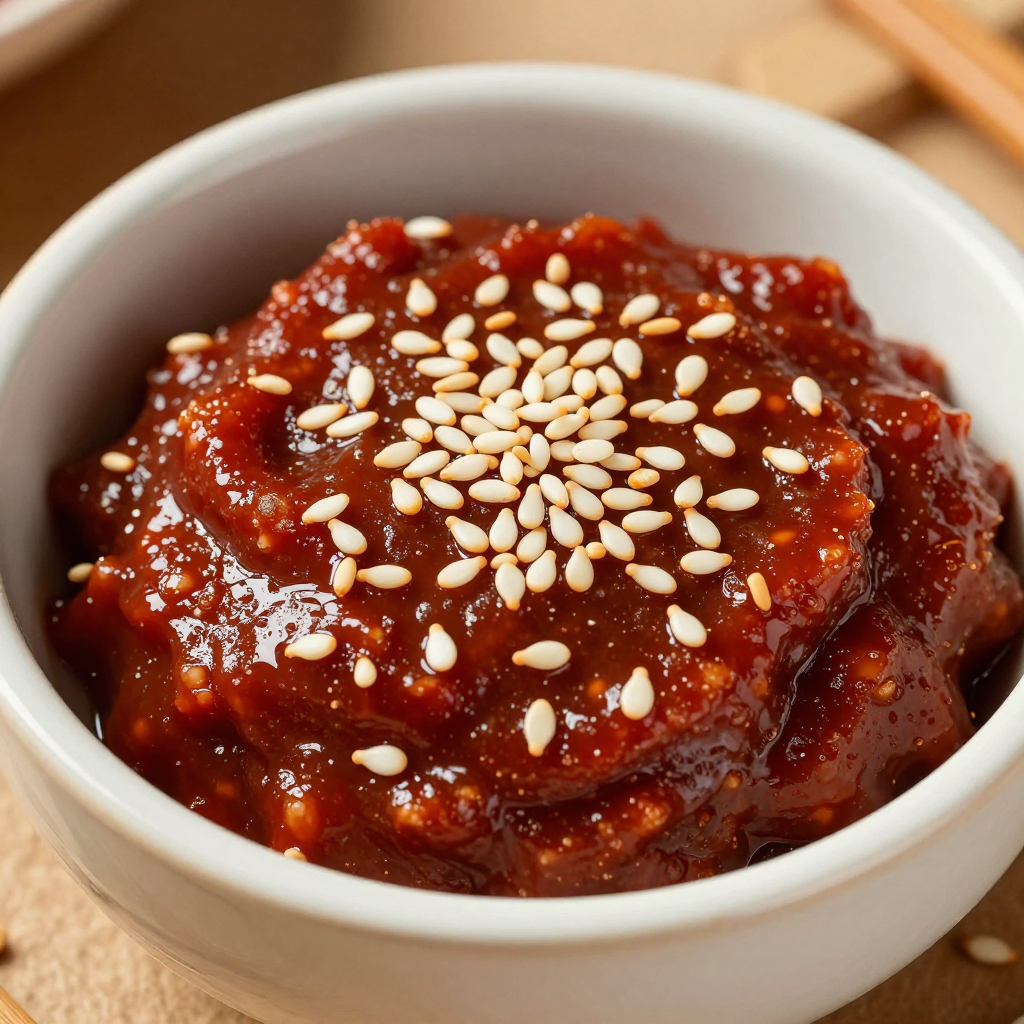
Gochujang is a Korean fermented chili paste made from red chili powder, glutinous rice, fermented soybeans, and salt. The fermentation process — which can take months — gives it a depth that fresh chili sauces simply can't match. It's simultaneously spicy, sweet, savory, and slightly tangy.
Use it as a base for marinades, stir it into soups and stews, or mix it with sesame oil and rice vinegar for a quick dipping sauce. Even a tablespoon added to a simple tomato sauce adds a smoky, complex undertone that's hard to identify but impossible to ignore.
Yuzu Kosho (Japan)
Yuzu kosho is one of the most underrated condiments in global cuisine. Made from yuzu zest, fresh chili peppers, and salt, this Japanese citrus-chili paste is intensely aromatic — floral, sharp, and clean with a slow-building heat. A tiny amount goes a long way.
It works beautifully as a finishing sauce for grilled fish, dolloped onto ramen, or stirred into butter for a compound that elevates roasted vegetables. If you've never tried it, the flavor is genuinely unlike anything else — citrusy in a way that lemon can't replicate.
Sambal Oelek (Indonesia)
Sambal oelek is a raw, minimally processed chili paste from Indonesia — essentially crushed red chilies with salt and sometimes vinegar. Its simplicity is its strength. It delivers pure, direct heat without sweetness or smoke, making it the most versatile chili condiment for those who want heat control in their own hands. Add it to noodles, eggs, grilled meats, or use it as a base for building more complex sauces.
The Heat and Heart of African and Middle Eastern Sauces
North African and Middle Eastern condiments share a commitment to bold spicing, but they're far more nuanced than their reputation for heat suggests. These are sauces with real personality.
Harissa (North Africa)
Harissa is a North African chili paste — most closely associated with Tunisia — built on roasted red peppers, dried chilies, garlic, olive oil, and spices like caraway and coriander. The result is smoky, earthy, and warming rather than aggressively hot. It's a pantry staple across Morocco, Libya, and Tunisia, where it appears at virtually every meal.
Harissa works as a marinade for lamb or chicken, stirred into couscous, or thinned with olive oil as a dipping sauce for flatbread. It also does something remarkable to roasted root vegetables — the smokiness amplifies their natural sweetness in a way that's hard to achieve otherwise.
Peri-Peri Sauce (Southern Africa)
Peri-peri sauce originates from Southern Africa — particularly Mozambique and South Africa — and is built around the African bird's eye chili, known locally as piri piri. Unlike many hot sauces, it balances heat with citrus, garlic, and herbs, giving it a bright, tangy character alongside the fire. It became internationally recognized through Portuguese colonial influence, which is why it appears in both African and Portuguese culinary traditions.
As a marinade for chicken, it's exceptional. As a finishing sauce, it adds heat that doesn't overpower. For those new to it, starting with a milder version and building up is the practical approach.
Amba (Middle East)
Amba is a pickled mango sauce with roots in Iraqi Jewish cuisine that became a defining condiment in Israeli street food. Made from fermented unripe mangoes with fenugreek, turmeric, chili, and vinegar, it delivers a combination of tang, funk, and mild heat that's genuinely addictive. It's the essential topping for sabich (an Iraqi-Israeli pita sandwich), but it also works as a dipping sauce for fried foods or a dressing component for grain salads.
Latin America's Vibrant Herb and Chili Traditions
Latin American condiments tend to celebrate freshness and acidity — a counterpoint to the richness of grilled meats and slow-cooked dishes that define the region's cooking.
Chimichurri (Argentina)
Chimichurri is an Argentine herb sauce made from finely chopped parsley, garlic, olive oil, red wine vinegar, and dried chili flakes. It's not cooked, which means it retains a brightness that cuts through fat and char in a way that cooked sauces can't. In Argentina, it's as essential to a parrilla (grill) as the fire itself.
The flavor profile is herby, garlicky, and acidic — a finishing sauce that lifts rather than dominates. Beyond steak, chimichurri is excellent on roasted potatoes, grilled shrimp, or stirred into scrambled eggs. The acidity also makes it a natural marinade for tougher cuts of meat.
Salsa Macha (Mexico)
Less familiar outside Mexico than salsa verde or pico de gallo, salsa macha is a Veracruz-origin oil-based chili condiment made with dried chilies, nuts, seeds, and garlic fried in oil. The texture is chunky and rich, the flavor deep and nutty with a slow, building heat. It's closer to a chili crisp than a traditional salsa — and for anyone who has discovered the appeal of chili crisp, salsa macha is the next logical step.
European Condiments with Unexpected Depth
European condiments are often overlooked in favor of more "exotic" options, but several have a complexity that rivals anything from further afield.
Ajvar (Balkans)
Ajvar is a roasted red pepper and eggplant relish from the Balkans — particularly Serbia, North Macedonia, and Bosnia. Made by slow-roasting peppers until charred, then blending them with eggplant, garlic, and oil, it has a smoky, slightly sweet flavor with a silky texture. It's a condiment that rewards patience both in making and in tasting.
Ajvar works as a spread on bread, a sauce for grilled meats, or a base for pasta. It's also one of the few condiments that genuinely works as a standalone dip without anything to accompany it.
Mostarda (Italy)
Italian mostarda — not to be confused with mustard — is a Northern Italian condiment of candied fruits preserved in a mustard-flavored syrup. It's sweet, sharp, and pungent all at once, and it's traditionally served alongside boiled meats and aged cheeses. The flavor combination sounds unusual until you try it, at which point it becomes one of those things you wonder how you cooked without.
How to Use These Condiments Every Day
The best global condiments are versatile enough to appear in weeknight cooking, not just special occasions. Here's how to actually use them.
- As marinades: Gochujang, harissa, and peri-peri sauce all contain fat, acid, and aromatics — the three components of an effective marinade. Mix with a neutral oil, an acid (yogurt, citrus, vinegar), and coat protein for at least 30 minutes before cooking.
- As finishing sauces: Chimichurri, yuzu kosho, and amba are best added after cooking to preserve their brightness. A small amount stirred into a finished dish adds complexity without requiring any additional cooking time.
- Stirred into bases: A tablespoon of gochujang or harissa added to tomato sauce, soup, or stew during cooking adds depth that builds over time. Start small — these condiments are concentrated.
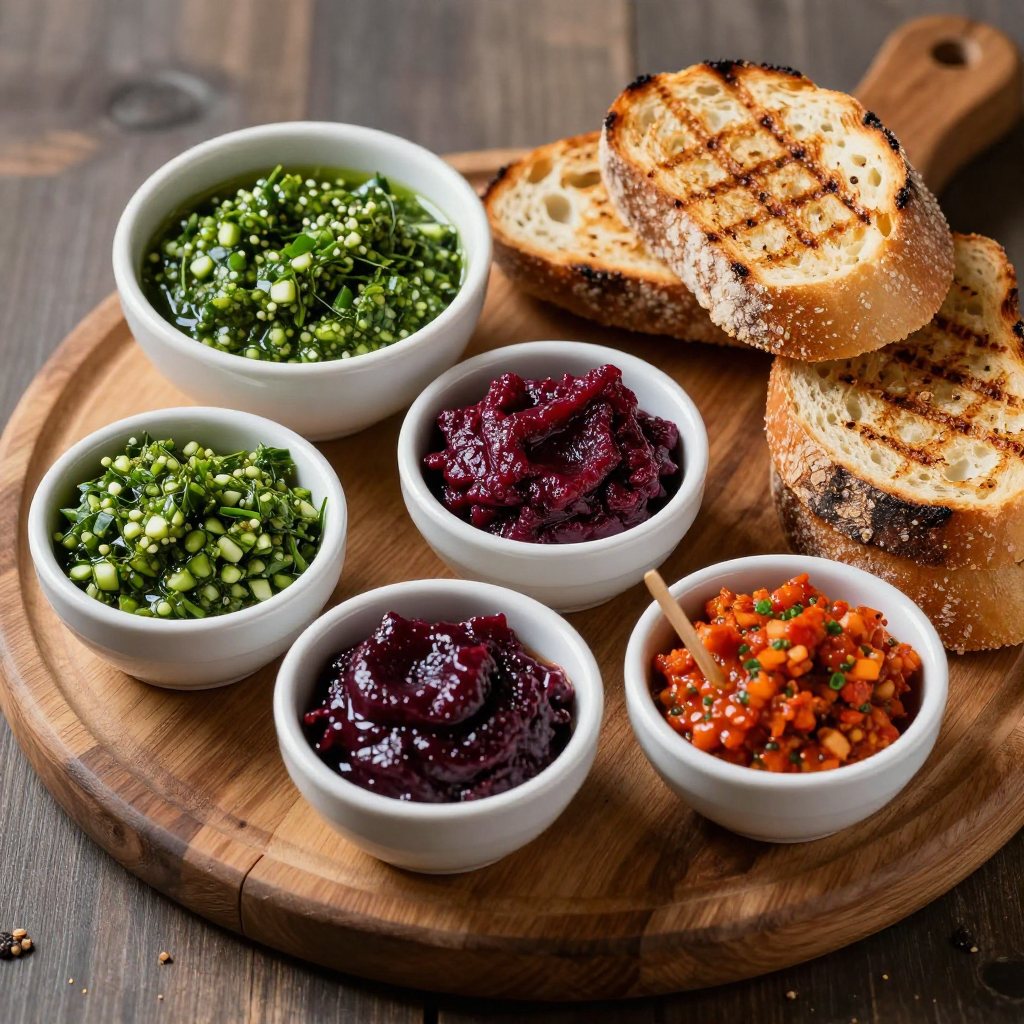
- As dips and spreads: Ajvar, sambal oelek thinned with sesame oil, or amba mixed with tahini all make excellent dipping sauces for flatbreads, crudités, or fried foods.
- In dressings: Chimichurri thinned with extra vinegar becomes a vinaigrette. Yuzu kosho whisked with miso and rice vinegar is a dressing that works on almost anything.
The practical rule: if a dish feels flat or one-dimensional, the answer is almost always a condiment with acidity or fermented depth. Taste first, then reach for the jar.
Building Your Global Condiment Collection
Starting a global condiment collection doesn't mean buying everything at once. A focused approach works better — pick two or three from different flavor families and learn how they behave before adding more.
When evaluating any condiment, look for a few things: a short, recognizable ingredient list (fewer additives usually means better flavor), a clear flavor profile on the label or description, and evidence of traditional production methods where relevant. Fermented condiments like gochujang and amba should list fermentation or pickling as part of the process — that's where much of their character comes from.
A well-stocked condiment shelf changes how you cook. It shifts the question from "what should I make?" to "what do I want to taste tonight?" — and that's a more interesting place to cook from. The condiments in this list represent a genuine cross-section of global flavor traditions, and each one earns its place not through novelty but through genuine utility.
Great sauces don't just accompany food. They complete it.
Frequently Asked Questions
What is the most versatile condiment from around the world?
Chimichurri and harissa are consistently the most versatile options for home cooks. Both work as marinades, finishing sauces, dips, and dressing components across a wide range of proteins and vegetables. Gochujang is equally flexible but has a stronger, more distinctive flavor that takes some adjustment.
How do I store fermented or chili-based condiments after opening?
Most fermented condiments — including gochujang, amba, and harissa — should be refrigerated after opening and kept tightly sealed. Gochujang can last up to a year refrigerated. Oil-based condiments like chimichurri and salsa macha are best used within two weeks, as the fresh herbs and garlic degrade relatively quickly even under refrigeration.
Can global condiments be used as marinades?
Yes — many are specifically designed for this purpose. Harissa, peri-peri sauce, and gochujang all contain the fat, acid, and aromatics that make effective marinades. Mix them with a neutral oil and an acid component (yogurt works well with harissa; rice vinegar with gochujang) and marinate for at least 30 minutes, or overnight for tougher cuts.
What condiment is best for people who don't like spicy food?
Ajvar, chimichurri, and mostarda are all low-heat or heat-free options with genuine complexity. Amba has a mild warmth but is primarily tangy and fruity. Yuzu kosho is intensely flavored but can be used in very small amounts where the citrus character comes through before the heat.
How are condiments like gochujang and harissa different from hot sauce?
Standard hot sauces prioritize heat and vinegar above everything else. Gochujang and harissa are built around flavor complexity — fermentation, spice blends, and roasting techniques that create depth alongside heat. They're used more like a flavor base or seasoning paste than a table sauce, and the heat they deliver is slower and more integrated rather than sharp and immediate.