The History and Evolution of Hot Sauce: From Ancient Peppers to Modern Bottles
Hot sauce is older than most people realize. Long before it lined grocery store shelves or sparked internet heat challenges, it was a daily staple for civilizations that understood something fundamental: heat transforms food. The story of how chili peppers went from a wild plant in the Americas to a global obsession is one of the most fascinating journeys in culinary history.
The Ancient Origins of Chili Peppers
Chili peppers (Capsicum species) were first cultivated in the Americas at least 6,000 years ago, making them one of the oldest domesticated food plants in the world. Archaeological evidence from sites in Mexico, Peru, and the southwestern United States shows that early humans weren't just finding wild peppers — they were actively growing and selecting them.
The genus Capsicum includes dozens of species, but a handful became the foundation of human cuisine: Capsicum annuum, Capsicum chinense, and Capsicum frutescens among them. These weren't just flavor agents. In pre-Columbian cultures, chili peppers served as medicine, ritual offerings, and a practical food preservative in hot climates where spoilage was a constant threat.
What's striking is how quickly early peoples recognized the pepper's dual nature — the same compound that causes burning pain (capsaicin) also has antimicrobial properties. That wasn't a coincidence they understood scientifically, but it was one they exploited intuitively for thousands of years.
How Mesoamerican Civilizations First Used Hot Sauce
The earliest hot sauces were created by Mesoamerican civilizations, particularly the Aztecs, who combined ground chili peppers with water, tomatoes, and other ingredients to produce liquid condiments used daily. These weren't novelty preparations — they were as central to Aztec cuisine as salt is to ours today.
Spanish chroniclers arriving in the 16th century documented Aztec markets overflowing with peppers in every form: fresh, dried, smoked, and ground into pastes. The Aztecs categorized their chilies with remarkable precision, distinguishing between varieties by heat level, flavor, and culinary use — a sophistication that predates the Scoville scale by four centuries.
Fermentation also played a role early on. Peppers mixed with other ingredients and left to develop over time produced complex, tangy sauces that bear a recognizable resemblance to what we'd call fermented hot sauce today. The technique wasn't invented in Louisiana — it was refined there much later.
The Columbian Exchange and the Global Spread of Chili Peppers
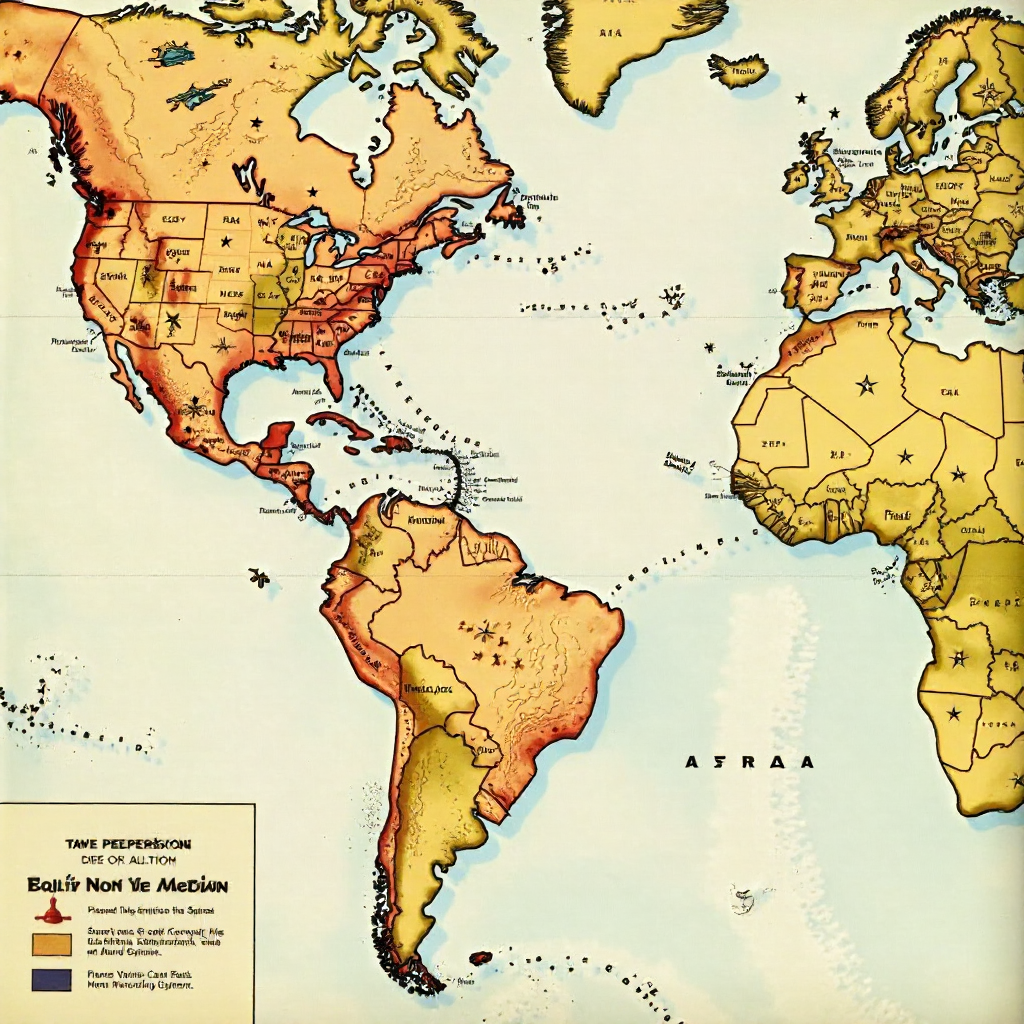
The Columbian Exchange — the transfer of plants, animals, and ideas between the Americas and the rest of the world after 1492 — carried chili peppers to every inhabited continent within a century. This is arguably the single most consequential event in hot sauce history.
Portuguese and Spanish traders brought Capsicum species to West Africa, India, Southeast Asia, and China. What happened next is remarkable: each region adopted peppers so thoroughly that they became inseparable from local cuisine. Korean gochujang, Indian vindaloo, Sichuan chili oil, Ethiopian berbere — none of these exist without that 16th-century exchange.
The global spice trade accelerated this spread. Peppers were cheaper to grow than black pepper and produced comparable heat, so they moved fast through established trade networks. Within two generations of arriving in India, chili peppers had replaced long pepper as the dominant source of heat in regional cooking. That kind of culinary displacement doesn't happen unless a new ingredient genuinely fits.
This global diffusion is why hot sauce traditions are so diverse today. The same raw material — Capsicum — produced wildly different results depending on local fermentation practices, available acids, and culinary traditions. Geography shaped flavor.
The Birth of Bottled Hot Sauce in the 19th Century
Commercial hot sauce as we know it emerged in the 19th century, driven by industrialization, improved glass manufacturing, and the vinegar-based preservation methods that made shelf-stable sauces possible. The American South became the center of this development.
Vinegar's role was practical before it was culinary. It extended shelf life dramatically in an era without refrigeration, and its acidity complemented the heat of cayenne pepper in a way that balanced rather than masked the flavor. Vinegar-based hot sauce became the dominant American style partly because it worked — bottles could travel, sit on shelves, and survive heat without spoiling.
The Louisiana-style hot sauce that emerged from this period — thin, tangy, cayenne-forward — became a regional identity marker as much as a condiment. By the late 1800s, hot sauce was being bottled and sold commercially across the American South, reaching tables far beyond where the peppers were grown.
What's often overlooked is how much this commercialization relied on the culinary traditions of enslaved African Americans and their descendants, who had long incorporated hot peppers into Southern cooking. The flavors that made Louisiana-style sauce distinctive didn't appear from nowhere.
The Science Behind the Heat — Capsaicin and the Scoville Scale
Capsaicin is the compound responsible for the burning sensation in chili peppers, and understanding it changed how people talk about, buy, and compete over hot sauce. In 1912, pharmacist Wilbur Scoville developed a standardized method to measure capsaicin concentration — the Scoville Organoleptic Test — which assigned heat units based on how much sugar water was needed to dilute a pepper extract until the heat was undetectable.
The Scoville scale runs from zero (bell peppers) to over 2 million Scoville Heat Units (SHU) for the hottest cultivated peppers like the Carolina Reaper. Modern testing uses high-performance liquid chromatography (HPLC) rather than human tasters, but the scale Scoville created remains the universal language of heat.
For hot sauce culture, the Scoville scale did something unexpected: it gamified heat. Once you could put a number on it, people started chasing higher numbers. That competitive instinct — who can handle more? — became a cultural phenomenon that directly fueled the craft hot sauce movement decades later.
The Rise of Regional Styles — Louisiana, Mexican, Asian, and Beyond
Hot sauce is not one thing. Different cultures developed distinct traditions based on their peppers, preservation methods, and flavor preferences, and those traditions are alive in every bottle today.
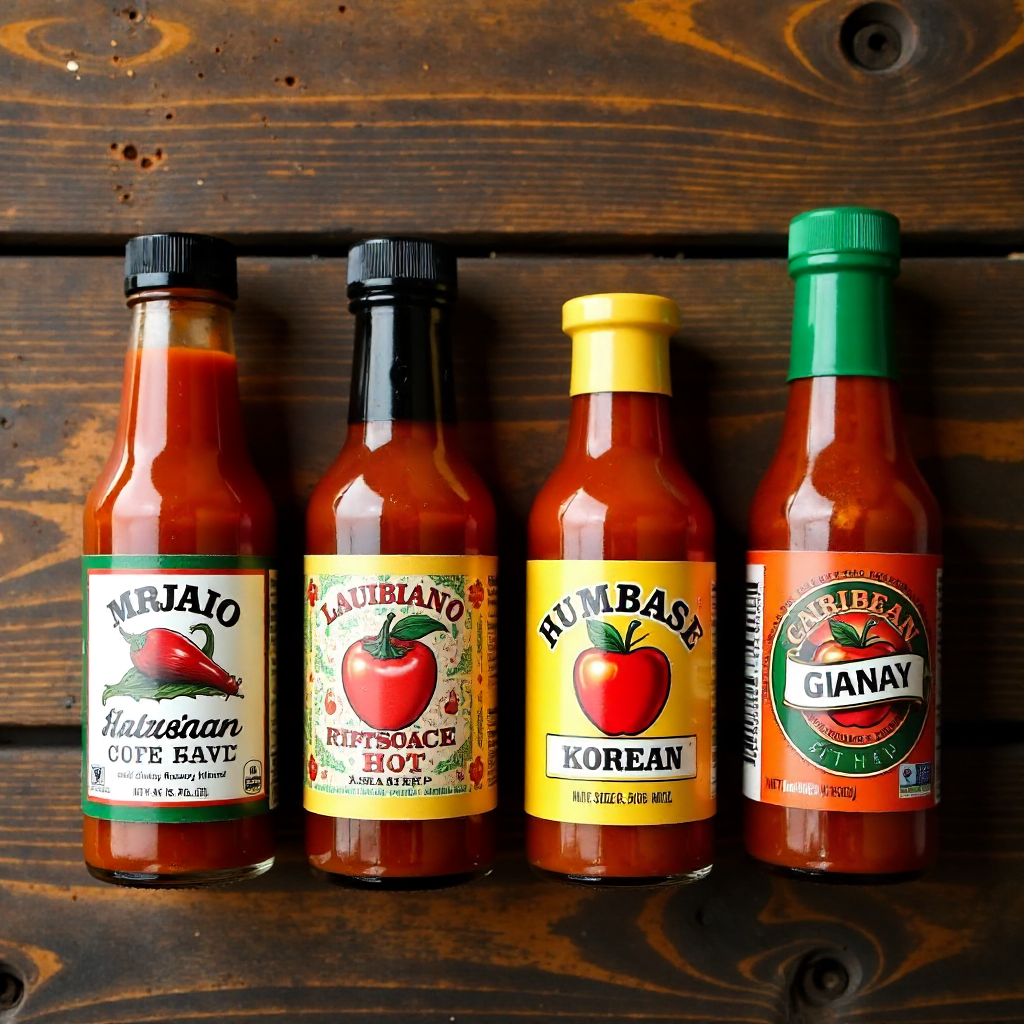
- Louisiana-style: Thin consistency, high vinegar content, cayenne or tabasco peppers, bright and tangy. Built for pouring liberally over food rather than using as a finishing condiment.
- Mexican-style: Ranges from fresh salsas to dried chili-based sauces. Often smokier, earthier, and more complex. Ancho, guajillo, and chipotle peppers each carry distinct flavor profiles beyond raw heat.
- Fermented hot sauce: Peppers lacto-fermented before processing, producing depth, funk, and a natural tanginess that vinegar alone can't replicate. This technique has ancient roots but a very modern resurgence.
- Asian chili sauces: Chili oil, sambal, gochujang, and sriracha-style sauces each reflect regional ingredients and techniques. Many incorporate garlic, ginger, or fermented soybeans as foundational flavors alongside the heat.
- Caribbean hot sauce: Often built around Scotch bonnet or habanero peppers, with fruit, mustard, or tropical flavors balancing extreme heat.
Each style exists because of geography and history, not marketing decisions. The Capsicum chinense species that dominates Caribbean and some African sauces produces a distinctly fruity heat that Capsicum annuum doesn't. The peppers shaped the traditions as much as the traditions shaped the peppers.
The Modern Hot Sauce Boom and the Craft Movement
Hot sauce has become one of the fastest-growing condiment categories in the world, and the artisan craft movement is driving much of that growth. The shift from a handful of mass-market brands to thousands of small-batch producers happened gradually, then all at once.
Several forces converged. Food culture became more adventurous and globally aware. Social media made it possible for a small producer making fermented habanero sauce in their kitchen to build a passionate following. And the competitive heat culture seeded by the Scoville scale created an audience that actively sought novelty and extremity.
The craft hot sauce movement also brought something the mass market couldn't easily replicate: story. Artisan producers connect their sauces to specific pepper varieties, growing regions, fermentation traditions, and personal histories. Consumers who care about where their food comes from find that narrative compelling — and hot sauce, with its deep roots in ancient agriculture and global trade, has more story to tell than almost any other condiment.
Today's hot sauce enthusiasts aren't just buying heat. They're buying into a lineage that runs from Aztec markets to Louisiana bayous to Korean fermentation crocks. That awareness of heritage — knowing that the bottle in your hand connects to thousands of years of human ingenuity — is part of what makes craft hot sauce genuinely exciting.
Frequently Asked Questions
What is the oldest known hot sauce in history?
The oldest documented hot sauce traditions come from Mesoamerica, where Aztec and earlier civilizations combined ground chili peppers with liquid bases at least 2,000 years ago. Archaeological evidence of chili pepper cultivation dates back roughly 6,000 years, though liquid sauce preparations are harder to preserve in the archaeological record.
How did hot sauce spread from the Americas to the rest of the world?
The Columbian Exchange after 1492 carried Capsicum species to Europe, Africa, and Asia via Portuguese and Spanish trade routes. Chili peppers spread so rapidly because they were easy to grow in diverse climates and produced heat comparable to expensive imported spices at a fraction of the cost.
What is the difference between fermented and vinegar-based hot sauce?
Fermented hot sauce uses lacto-fermentation — beneficial bacteria convert sugars into lactic acid over days or weeks — which creates complex, layered flavor and natural preservation. Vinegar-based hot sauce adds acidity directly through distilled or apple cider vinegar, producing a brighter, sharper flavor profile. Fermented sauces tend to have more depth; vinegar-based sauces tend to have more immediate tang.
Why has hot sauce become so popular in recent years?
Several factors combined: growing multicultural food awareness, social media amplifying food culture, a rise in competitive heat-seeking communities, and the craft food movement creating consumer interest in small-batch, story-driven products. Hot sauce also crosses dietary restrictions easily — it's typically vegan, gluten-free, and low-calorie — which broadens its appeal.
What does a Scoville rating actually measure?
The Scoville scale measures the concentration of capsaicinoids — primarily capsaicin — in a pepper or sauce. Originally measured through human taste testing, it's now determined by HPLC chemical analysis. A higher Scoville Heat Unit (SHU) number means more capsaicin, which triggers more intense activation of the TRPV1 pain receptors in your mouth and throat.