Health Benefits of Fermented Condiments Like Kimchi and Miso
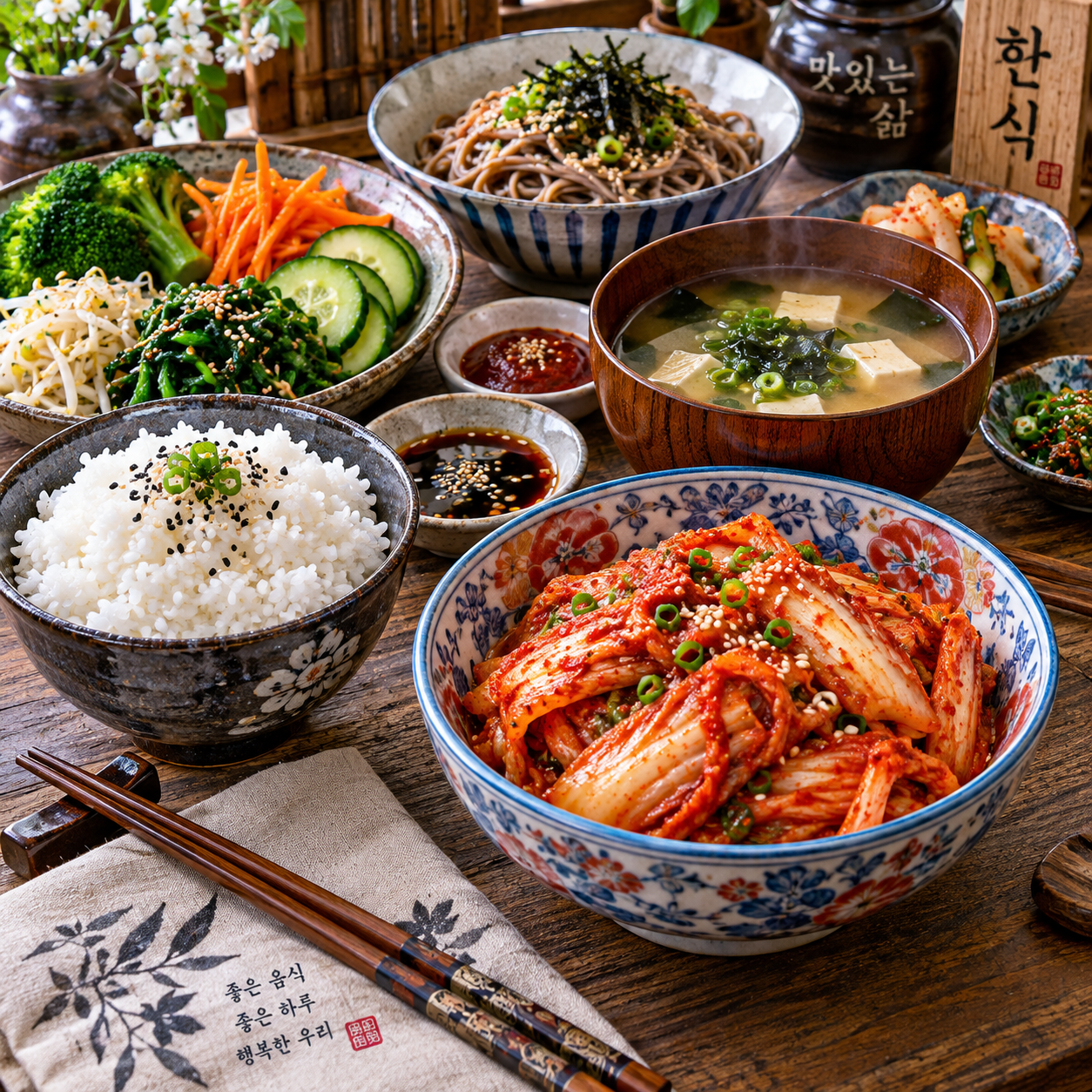
Fermented condiments such as kimchi and miso bring concentrated flavor to everyday food while potentially contributing to digestive health and dietary variety. Their benefits depend on the product, portion, preparation method, and whether live cultures remain active.
What Are Fermented Condiments?
Fermented condiments are sauces, pastes, or seasoned foods made when microorganisms transform ingredients over time. Kimchi and miso use fermentation to develop acidity, depth, preservation, and umami flavor.
Fermentation may involve beneficial bacteria, yeasts, or molds. These microorganisms break down parts of the original ingredients and create compounds that change taste, aroma, texture, and sometimes nutrient availability. The result can be a condiment with more complexity than a freshly mixed sauce.
Kimchi is a Korean fermented vegetable preparation, commonly made with napa cabbage, radish, chili, garlic, ginger, and salt. It works as a side dish, topping, relish, or bold sauce component. Its tangy heat can brighten rice bowls, noodles, sandwiches, and grilled foods.
Miso is a thick fermented paste traditionally made from soybeans, koji culture, salt, and sometimes rice or barley. Fermentation gives miso its deep savory character. It can form the base of broth, dressing, glaze, marinade, dip, or finishing sauce.
These foods are related through fermentation, but they are not interchangeable. Kimchi contributes vegetables, crunch, acidity, and spice; miso contributes salt, body, and rounded umami flavor.
Potential Health Benefits of Kimchi and Miso
Kimchi and miso may support a varied diet and digestive health by adding fermented ingredients, plant foods, and complex flavor, although they are not cures or guaranteed treatments for health conditions.
Kimchi can increase vegetable variety in a meal. Depending on the recipe, it may provide fiber and nutrients from cabbage, radish, garlic, ginger, and other produce. Miso contributes protein-related compounds from soybeans and can help make nutritious foods such as vegetables, legumes, and whole grains more appealing.
Fermentation may partially break down carbohydrates and proteins, which can alter how food is digested. In some fermented foods, this process may also reduce certain compounds that interfere with mineral absorption. The effect varies by ingredient and production method, so broad claims should be treated carefully.
Fermented foods may interact with the gut microbiome, the community of microorganisms living in the digestive tract. Products containing live cultures can add microorganisms to the diet, while fiber-rich ingredients such as vegetables can provide material that gut microbes use. Still, the specific organisms, survival through digestion, and individual response differ from one product and person to another.
The most reliable benefit is often practical: a spoonful of kimchi or miso can make beans, greens, grains, tofu, or plain vegetables more enjoyable. That improved flavor may help people eat a broader range of minimally processed foods.
For broader background on fermented foods and food safety, the National Center for Complementary and Integrative Health offers useful information about probiotics and their limits.
Kimchi vs. Miso: Key Differences
The main difference is the base ingredient: kimchi is usually a fermented vegetable condiment, while miso is a fermented soybean paste. That distinction affects texture, flavor, nutrients, and typical meal applications.
| Feature | Kimchi | Miso |
|---|---|---|
| Main ingredients | Vegetables, salt, chili, garlic, ginger, seasonings | Soybeans, koji, salt, and sometimes rice or barley |
| Texture | Crunchy, juicy, or soft depending on age | Smooth, thick, and spoonable |
| Flavor | Sour, spicy, savory, and aromatic | Salty, earthy, rounded, and strongly umami |
| Common uses | Side dish, topping, relish, noodle or rice accompaniment | Broth, dressing, glaze, marinade, dip, sauce base |
| Key considerations | Sodium, spice, refrigeration, live-culture labeling | Sodium, soy, grain allergens, pasteurization |
Kimchi is often eaten in small forkfuls alongside a meal. Miso is commonly diluted or blended with another liquid, such as water, vinegar, citrus juice, or stock. White miso tends to be milder and sweeter, while red or darker miso usually has a more intense, savory flavor.
Choosing kimchi for acidity and texture means accepting a stronger spicy profile. Choosing miso for a smooth umami sauce means watching sodium and checking its allergen information.
The Role of Live Cultures and Fermentation
Live cultures are microorganisms that remain active in a food at the time of consumption; fermentation alone does not guarantee that a packaged condiment still contains them.
Kimchi that has continued fermenting in the refrigerator may contain lactic acid bacteria. Miso also results from microbial fermentation, but the cultures used during production may not remain alive in the finished product. Some miso is pasteurized, and many preparations are later heated in soups, sauces, or marinades.
Cooking can reduce or eliminate live cultures, especially at high temperatures or during extended heating. That does not make cooked kimchi or miso useless. Heat preserves their savory, spicy, or acidic contribution, even when it changes the microbiological profile.
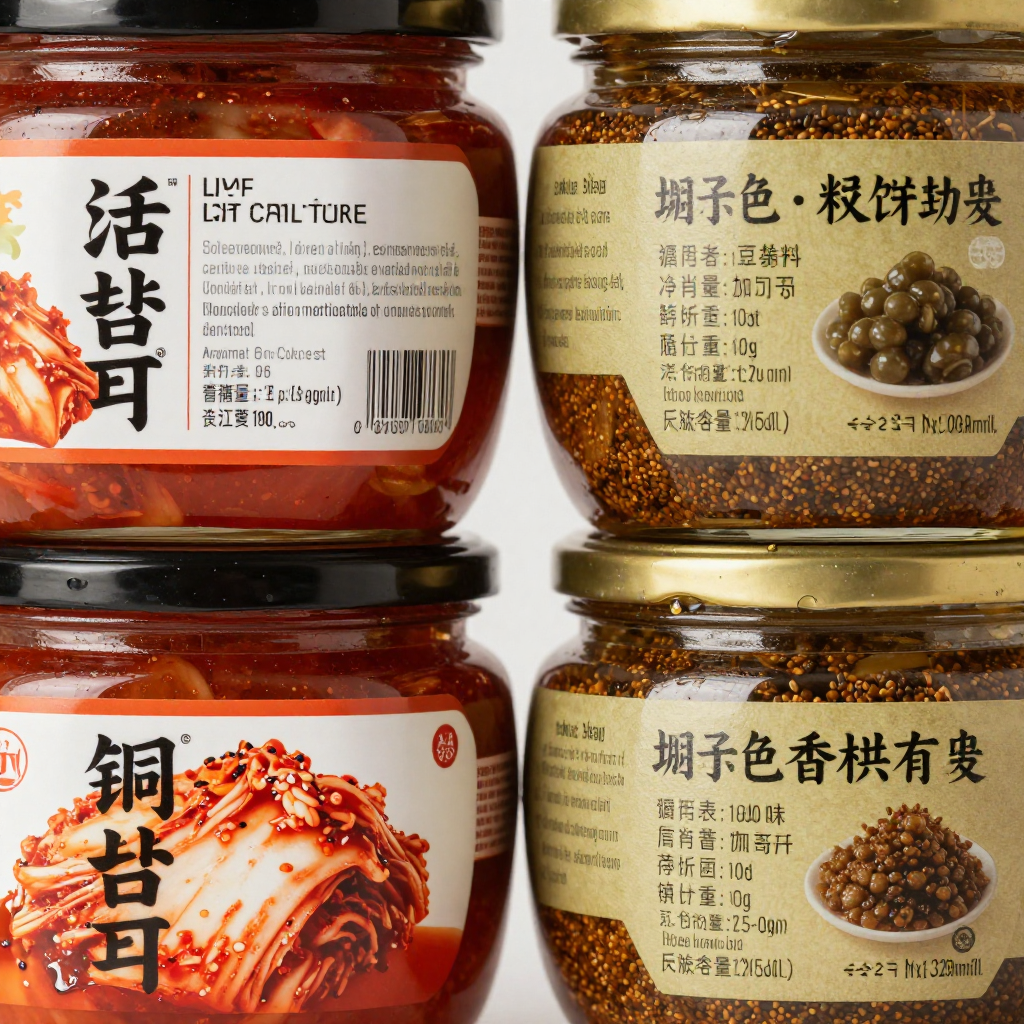
If active cultures matter to you, read the package rather than relying on the word fermented. Look for statements such as “unpasteurized,” “raw,” or “contains live cultures,” while remembering that labeling practices vary. Refrigerated storage is also a clue, but it is not proof by itself.
A sensible approach is to use some kimchi or miso cold or gently warmed for flavor and texture, then cook additional portions when a recipe requires it. Food safety comes first, particularly for vulnerable people, so follow storage instructions and avoid products with signs of spoilage.
How to Use Fermented Condiments in Everyday Meals
To use fermented condiments well, start with a small amount and add them where acidity, salt, or umami can replace less distinctive seasonings. This makes kimchi and miso useful sauce ingredients rather than occasional specialty foods.
Kimchi serving ideas
- Spoon kimchi over steamed rice, brown rice, or a tofu grain bowl.
- Toss chopped kimchi with noodles, sesame oil, scallions, and a splash of rice vinegar.
- Add it to tacos, sandwiches, burgers, or scrambled eggs for acidity and crunch.
- Blend a small amount with mayonnaise, yogurt, or tahini to make a spicy dipping sauce.
- Fold it into fried rice near the end of cooking to preserve some texture.
Miso sauce and seasoning ideas
- Whisk white miso with rice vinegar, sesame oil, and water for a vegetable dressing.
- Combine miso with citrus juice, garlic, and a little maple syrup for a tofu or salmon marinade.
- Stir miso into warm broth, but avoid prolonged boiling if you want to preserve more delicate flavor.
- Brush miso, ginger, and oil onto roasted carrots, squash, mushrooms, or eggplant.
- Blend miso with nut or seed butter for a creamy dipping sauce.
Because both condiments can be salty, taste before adding soy sauce, table salt, or commercial seasoning blends. A useful kitchen rule is pair, dilute, and balance: pair with fresh produce or grains, dilute strong pastes into sauces, and balance salt with acid, sweetness, or water.
What to Consider Before Adding Them to Your Diet
Before adding kimchi or miso regularly, check sodium, allergens, spice level, and portion size. Small servings can deliver plenty of flavor, so more is not automatically better.
Sodium: Salt is central to many fermentation processes and remains in the finished condiment. Compare nutrition labels and use a teaspoon or tablespoon as a starting portion, particularly if you have been advised to limit sodium.
Allergies: Miso commonly contains soybeans. Some varieties also contain barley, wheat, or other grains, while kimchi may include fish sauce, shrimp, or other seafood ingredients. Read the allergen statement carefully and look for certified gluten-free labeling when needed.
Spice and digestion: Chili, garlic, acidity, and fermentation can bother some people, especially in large portions. Begin with one or two teaspoons, observe how you feel, and increase gradually if tolerated.
Product variation: Kimchi recipes differ widely in salt, sugar, seafood, heat, and fermentation time. Miso varies by bean-to-grain ratio, color, age, and pasteurization. Treat the label as more informative than the product category alone.
Common mistakes include treating “fermented” as a health guarantee, assuming every product contains probiotics, and using a salty condiment without reducing other seasonings. Correct these by checking the label, selecting portions intentionally, and building meals around vegetables, whole grains, and protein.
Choosing and Storing Kimchi and Miso
Choose kimchi and miso by checking ingredients, sodium, allergen details, culture claims, and storage instructions. Refrigerate them promptly and use clean utensils to protect quality.
For kimchi, look for vegetables you enjoy, a manageable spice level, and packaging that clearly identifies refrigeration requirements. Natural fermentation can produce gas, so open containers carefully. Over time, kimchi becomes softer and more sour; older kimchi can be excellent in cooked dishes even when it is no longer ideal as a crisp side.
For miso, select the style that matches the recipe. White miso suits dressings and quick glazes, while darker miso works well in robust broths and marinades. Keep the paste refrigerated after opening, press it down to limit exposed air, and use a clean, dry spoon.
Follow the manufacturer’s use-by guidance. Discard a product if it develops an unusual odor, unexpected mold, or a texture that clearly differs from its normal appearance. Fermentation creates distinctive aromas, but it does not make food immune to contamination.
Frequently Asked Questions
Are kimchi and miso good for gut health?
They may support a varied diet and digestive health, especially when kimchi adds vegetables and a product contains live cultures. Individual responses vary, and neither condiment replaces medical care.
Does cooking kimchi or miso reduce their live cultures?
Yes. Heating, particularly prolonged high-temperature cooking, can reduce live cultures. The condiments still retain their flavor and many of their culinary uses after cooking.
Is miso high in sodium?
Miso can be high in sodium because salt is part of its production. Use a modest portion, compare labels, and reduce other salty ingredients in the same meal.
Can people with soy allergies eat miso?
Usually not, because traditional miso is made from soybeans. People with soy allergies should avoid it unless a qualified healthcare professional confirms a suitable alternative.
How much fermented condiment should you eat?
Start with about one to two teaspoons of miso in a sauce or a small serving of kimchi, then adjust based on taste, sodium needs, and tolerance. A varied diet matters more than a fixed daily amount.
Kimchi and miso earn their place in the kitchen through flavor first. Used thoughtfully, these fermented sauces and condiments can add vegetables, acidity, depth, and umami while supporting more varied meals. Read labels, respect sodium and allergies, and choose the form that best suits the dish.